
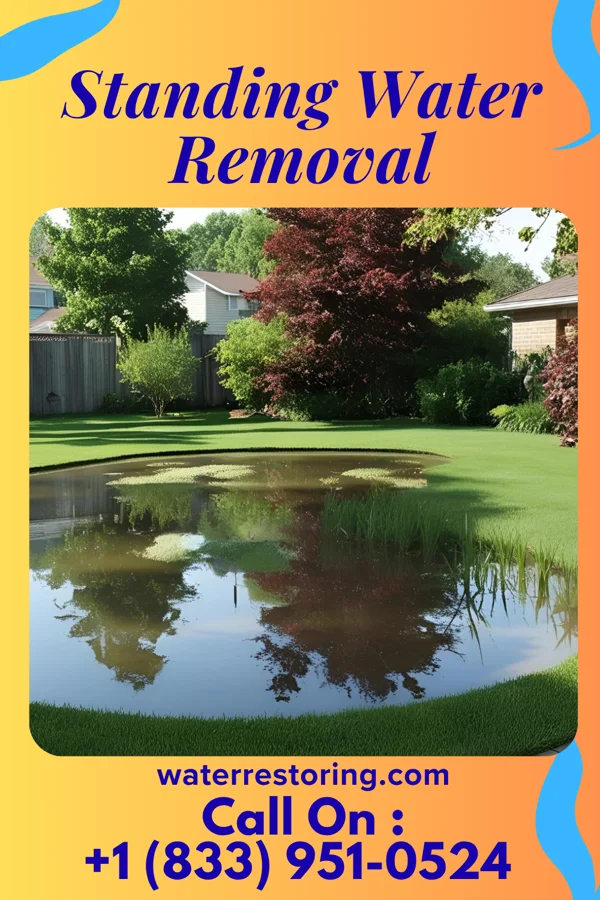
Why Brandon Sees Standing Water Often
The pattern in Brandon is consistent. In Brandon, South Dakota, the primary water damage cause is often due to residential plumbing leaks, particularly in older homes with aging pipes, and from sudden pipe bursts in suburban areas like Pine Lakes Addition. Additionally, spring thaw and heavy rainfall can lead to water infiltration in basements and crawl spaces, especially near Rowena and Anderson. drives most of the emergency restoration calls we get. A close second is Secondary causes include sewer backups during heavy storms, which are common in the area due to its proximity to the James River, and faulty appliances such as washing machines and dishwashers in suburban neighborhoods. Flooding from nearby water bodies like the Big Sioux River also poses a risk during extreme weather events..
Brandon experiences a continental climate with cold winters and warm summers, leading to frozen pipes and thaw-related water damage. The area is also prone to spring flooding, which can overwhelm local drainage systems and cause water accumulation in residential and commercial properties.
Brandon experiences a continental climate with cold winters and warm summers, leading to frozen pipes and thaw-related water damage. The area is also prone to spring flooding, which can overwhelm local drainage systems and cause water accumulation in residential and commercial properties. The dominant local driver is In Brandon, South Dakota, the primary water damage cause is often due to residential plumbing leaks, particularly in older homes with aging pipes, and from sudden pipe bursts in suburban areas like Pine Lakes Addition. Additionally, spring thaw and heavy rainfall can lead to water infiltration in basements and crawl spaces, especially near Rowena and Anderson., with Secondary causes include sewer backups during heavy storms, which are common in the area due to its proximity to the James River, and faulty appliances such as washing machines and dishwashers in suburban neighborhoods. Flooding from nearby water bodies like the Big Sioux River also poses a risk during extreme weather events. showing up as the next most common cause. Damage builds in stages. Spread. Absorption. Microbial growth. Structural compromise. Every stage you pass through adds to the final bill.